
Greens and Regulation: The Impact and Importance of the Laws Affecting Course Management
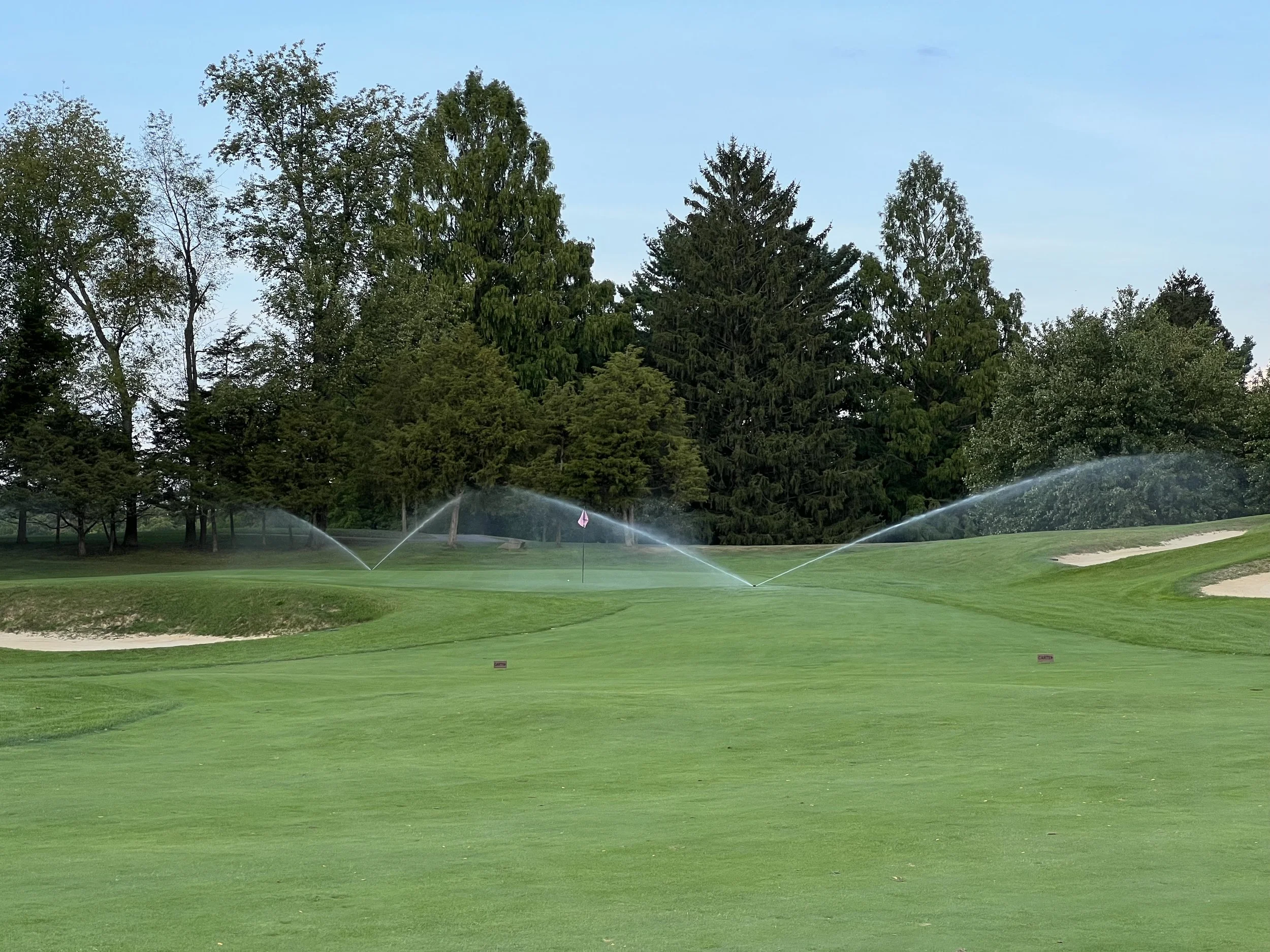
Being a good neighbor means ensuring that your actions do not disturb, interrupt, or harm those around you; a good neighbor is a steward of the community and those who live in it.
Just like us, golf courses have neighbors, too. Whether they are located just outside of the white “OB” stakes or are a mile down the road (or downstream), these neighbors have a level of expectation that the presence of a golf course will not disturb, interrupt, or harm them. Not unlike HOA rules that govern their communities, golf courses are subject to a set of local, state, and federal rules that dictate how they manage their operations.
When looking at what rules are in place for golf courses, from an environmental perspective, it’s important to understand how these rules were formed, who implements them, why they are important, and what impact they ultimately have on course management. We won’t lay out every regulation on the books, but we will aim to establish the awareness that your friendly neighborhood greenskeeper has much more to consider than simply keeping their turf green.
What is a “Regulation”, Exactly?
The term “regulation” can encompass many different rules that exist at the federal, state, and local levels. At the federal level, let’s look at the Clean Water Act (CWA), a landmark environmental law that was passed in 1972, as an example. The CWA is the law, and “regulations” are the rules implemented to ensure compliance with that law. In practice, Congress writes the law (the CWA) and then authorizes the regulatory agency (in this case, the Environmental Protection Agency (EPA)) to write, implement, and enforce the regulations.
The CWA governs any pollutants that are discharged into the waters of the United States, as well as establishing the system of setting measurable standards for our waters’ quality. As water is prominently featured on most golf courses across the country, the CWA has a direct impact on how these courses are managed. Primarily, these regulations aim to ensure that whatever pollutants get discharged into streams, rivers, and ponds do not negatively impact the overall water quality of the surrounding watershed.
Who Implements Them?
After Congress passes a law and the President signs off, it is assigned to a federal agency(ies) that will be in charge of administering it. In addition to the Environmental Protection Agency (EPA), other agencies that implement federal environmental regulations include the U.S. Fish and Wildlife Service (USFWS), the U.S. Army Corps of Engineers (USACE), and the National Oceanic and Atmospheric Administration (NOAA).
Why They are Important
It’s easy to recognize that the air we breathe, water we drink, and land we reside on is vital to our overall health. For sensitive groups especially, unhealthy air quality can be harmful just by simply going outdoors. Water quality is essential for the fish and wildlife that rely on it, the community that sources its drinking water from it, and the people who enjoy recreating near, on, or in it. Finally, healthy, clean, and fertile soil not only provides the ability for us to grow our own gardens, but provides the food and habitat necessary for nearly every other living organism around us.
Taking the intentions of environmental regulations at face value, they are set to prevent or minimize any negative effects that may come from the release of a pollutant–ultimately, to prevent any irreversible harm before it's too late. And although they may not be implemented in a vacuum, it's important that these regulations exist–not to simply restrict how businesses operate, but to protect human health and our natural resources.
Impact on Golf Course Management
Often faced with limited staff, resources, and budget, a superintendent needs to be as flexible and creative as they are skilled at the job. And while members, course regulars, and proshop staff may be vocal about the current state of the turf on any given day, the grounds crew can only tackle so many projects in a given week. Furthermore, although the idea of regulations may seem stifling, they can actually help drive innovation.
These innovations have taken the golf industry further in the past few decades, in terms of environmental stewardship, than compared to the days of the late 1970s and 80s when “Augusta Syndrome” began to run rampant across the country. Flexibility and creativity from superintendents have resulted in innovations that range from the development of a low-cost rudimentary wastewater system to the opening and success of a 100% organic golf course on Martha’s Vineyard.
Misconceptions often arise, however, from the perceived hardships endured from environmental rules and regulations. When in reality, these regulations can lead to more efficient, sustainable, and ultimately, better-managed courses. Let’s take a look at the most common misconceptions surrounding golf and regulation.

The first hole at the Vineyard Golf Club in Edgartown, Mass. Photo by Larry Lambrecht
Water Management
The biggest misconception is that water usage regulations lead to dry, unplayable courses. In fact, they push for more efficient and intelligent irrigation, which can improve turf health and playability. The reality is that the golf industry has adopted smart irrigation systems–monitoring real-time soil moisture and weather data to deliver the precise amount of water to exactly where and when it's needed. Ultimately, this has reduced water waste, prevents overwatering, and leads to firmer and faster playing conditions–which many golfers prefer.
Pesticide and Fertilizer Use
Another common misconception is that limiting chemical use makes it impossible to control pests and maintain healthy turf. Through the evolution of Integrated Pest Management (IPM), a holistic approach that prioritizes preventative and non-chemical course management methods, superintendents have maximized efficiency in both time and money. This increase in consciousness and forethought when it comes to when, how, and where to use inputs has resulted in healthier, more resilient turf in the long run, and can also reduce operational costs associated with purchasing and applying chemical products. Courses have also embraced creating naturalized or "out-of-play" areas with native plants, which require little to no maintenance, reduce the overall area that needs to be treated, and create valuable wildlife habitats.
Course Design and Maintenance
A final misconception is that regulations on land use or protected habitats make it unfeasible to build or renovate a course. Yet, many aspects of modern golf course design lean into the natural landscape, rather than manipulating and altering its ecological function. Through thoughtful and proper site selection, embracing natural features such as wetlands and native meadows, minimizing earthmoving, and designing to ensure manageable stormwater runoff, architects and builders can be compliant with regulations while also creating an exceptional golf course. This approach leads to a memorable golf experience–rooted in a deep connection to the surrounding landscape and an enhancement of local biodiversity.

A Beautiful Day in the Neighborhood
Like a good neighbor, golf courses can be both stewards of the community and the environment through ensuring their compliance with the established local, state, and federal regulations. When course owners choose the appropriate location, when architects craft with the natural landscape, when builders utilize Best Management Practices (BMPs) during construction, and when superintendents adapt to everyday challenges with sustainability in mind–the resulting golf course becomes a shining example of all things that the golf industry has worked toward in recent decades. Whether driven externally by regulation and internally by motivation, the fact is, golf is becoming “greener” than ever…perhaps leading more people to say “please won’t you be my neighbor?”
Curious to really get into the weeds of environmental regulations that affect golf? Head over to the Golf Course Superintendents Association of America’s (GCSAA) “Compliance” page, where they house a comprehensive list of every law that has a chance at impacting how a golf course superintendent does their job.
About The Author
Hunter Pates is currently the Environmental Regulatory & Advocacy Manager at SOX Erosion Solutions, where he works to explore ecological enhancement opportunities using innovative green infrastructure systems. Previously, he worked directly with the golf industry as Manager of the Environmental Protection Agency’s (EPA) Region 3 Smart Sectors Program. The EPA Smart Sectors Program has a formal partnership with the Golf Course Superintendents Association of America (GCSAA) to support environmental stewardship initiatives across the industry. Hunter holds an MS in Coastal Marine and Wetland Studies from Coastal Carolina University and a BS in Biology from Misericordia University.